إن سحب الرطوبة هو نصف القصة فقط
حمض الهيالورونيك هو مرطب قوي يساعد على ربط الماء على سطح الجلد. اختاري التركيبة المناسبة، ضعيها على البشرة الرطبة، ثم استخدمي المرطب للحصول على بشرة أكثر امتلاءً وراحة.
- تنطبق على
- جلد رطب
- استخدم
- صباحا + مساءا
- مناسبة ل
- جميع أنواع البشرة
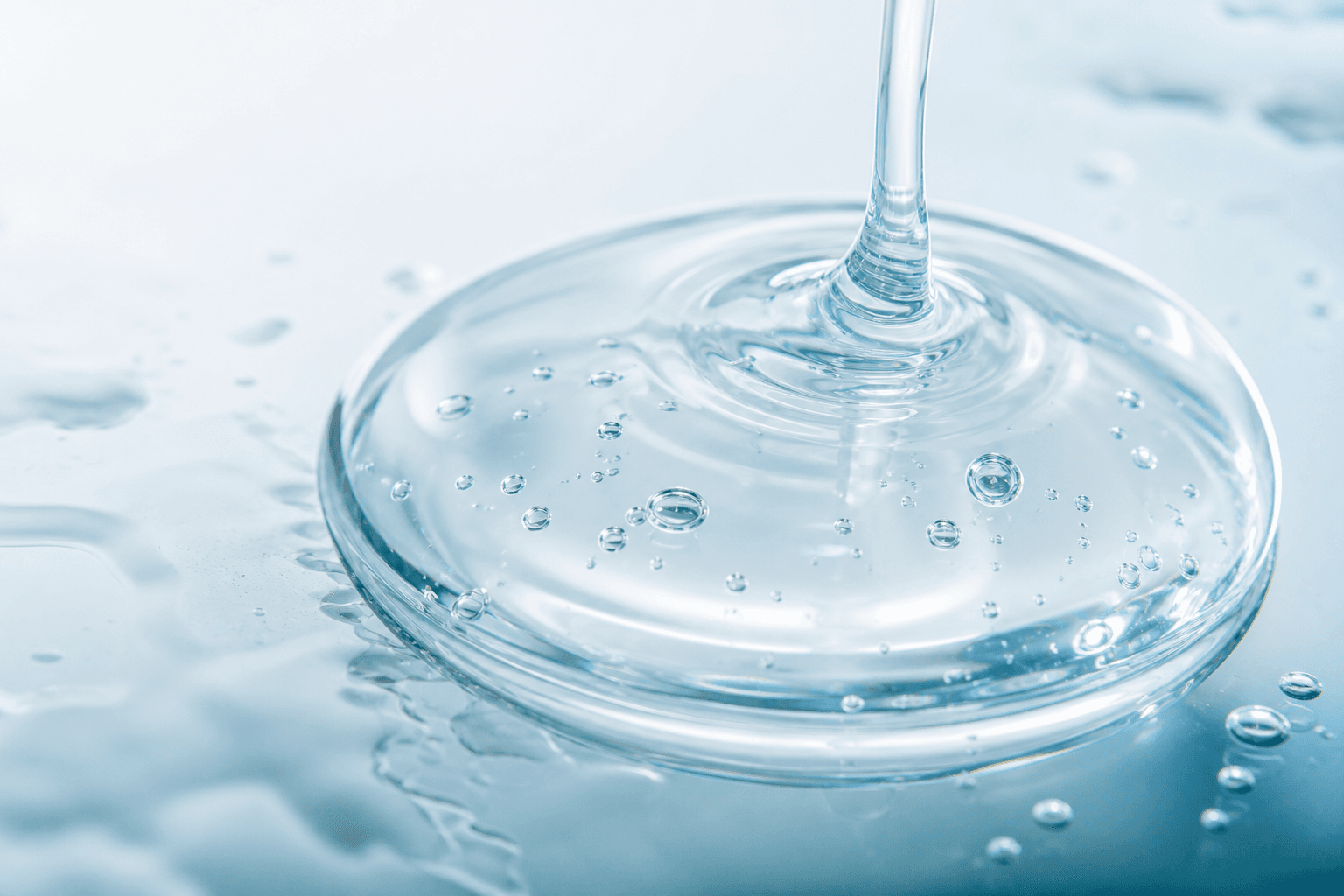
مغناطيس للرطوبة
يربط الماء ويدعم ملمسًا سطحيًا أكثر امتلاءً ومرونة.
لماذا هو محبوب؟
دعم ذكي ولطيف للبشرة المجففة
إن نقص النفط ونقص الماء ليسا نفس الشيء. حمض الهيالورونيك مفيد بشكل خاص لمظهر الضيق والبهتان وخطوط الجفاف الدقيقة.
شعور بالترطيب الفوري
يساعد على الاحتفاظ بالمياه على السطح حتى تشعر البشرة بأنها أقل إحكامًا بعد التنظيف.
مظهر أكثر سمنة
يدعم خطوط الجفاف ذات المظهر الأكثر نعومة وسطحًا أكثر مرونة.
راحة الحاجز
يتم وضعه تحت مرطب، فهو يقوي راحة الروتين المصمم للحد من فقدان الماء.
من السهل طبقة
يتناسب بشكل مريح مع النياسيناميد والسيراميد وفيتامين C والعديد من العناصر النشطة الأخرى.
علم الترطيب
كيف يعمل حمض الهيالورونيك؟
حمض الهيالورونيك هو مرطب: فهو يربط جزيئات الماء المحيطة ويساعد على خلق بيئة رطبة في الطبقات العليا من الجلد. إنه لا يشكل حاجزًا زيتيًا من تلقاء نفسه، لذا فإن الروتين الأكثر توازنًا يتبعه بالمرطب.
يربط الماء
يلتقي المصل بالماء على البشرة الرطبة ويدعم ترطيب السطح.
وهو يدعم الليونة
يمكن أن تبدو الطبقة العليا المرطبة جيدًا أكثر نعومة وامتلاءً.
كريم يغلقه
تساعد المكونات المطرية والانسدادية على تقليل فقدان الماء.
ماذا يعني الوزن الجزيئي؟
قد ترى "متعددة الجزيئات" أو عدة مشتقات من هيالورونات الصوديوم على الملصق. يمكن أن تكون هذه معلومات مفيدة، لكن الصيغة الكاملة لها أهمية أكثر من ادعاء جزيئي واحد.
01
ارتفاع الوزن الجزيئي
يركز على طبقة رطبة وناعمة على سطح الجلد.
02
انخفاض الوزن الجزيئي
يستخدم هياكل أصغر. يعتمد الشعور والتسامح على الصيغة المشتقة والكاملة.
03
نهج متعدد الجزيئات
يجمع بين أحجام مختلفة لاستهداف الشعور بالترطيب متعدد الطبقات.
ابحث عن أسماء مثل حمض الهيالورونيك، أو هيالورونات الصوديوم، أو حمض الهيالورونيك المتحلل، أو هيالورونات أسيتيل الصوديوم. اختاري تركيبة متوازنة خالية من العطور وتتحمليها جيداً بدلاً من السعي للحصول على أعلى نسبة.
كيفية التقديم
احتفظي بالترطيب بأربع خطوات بسيطة
الخطأ الأكثر شيوعًا هو وضع السيروم على البشرة الجافة تمامًا وتركه بمفرده. انتقل من القوام الرقيق إلى القوام الأكثر ثراءً دون الانتظار لفترة طويلة بين الطبقات.
تطهير بلطف
استخدمي منظفًا لا يترك البشرة مجردة.
اترك الجلد رطبًا قليلاً
لا تجف تمامًا؛ يجب أن يكون الجلد رطبًا، وليس مبللا.
تطبيق 2-3 قطرات
ضعي المصل على الوجه والرقبة دون فرك قوي.
ختم بالكريمة و SPF
اتبعيه على الفور باستخدام المرطب، بالإضافة إلى SPF 30+ في الصباح.
هل يشعر الجلد بالضيق؟
إن وضعه على البشرة الجافة، أو استخدام الكثير من المنتجات، أو تخطي الكريم يمكن أن يترك البشرة لزجة أو مشدودة.
طريقة أكثر توازنا
استخدمي كمية صغيرة على بشرة رطبة قليلاً واتبعيها بمرطب مناسب خلال 30-60 ثانية.
اختر ما يناسب بشرتك
عنصر واحد، واحتياجات مختلفة
يمكن أن يناسب حمض الهيالورونيك جميع أنواع البشرة؛ الفرق يأتي من نسيج المصل وطبقة المرطب فوقه.
جفاف الجلد
سيروم + كريم سيراميد غني
يمكن للقوام الحليبي أو الكريمي تحسين الراحة طوال اليوم.
البشرة الدهنية ولكن المجففة
سيروم خفيف + كريم جل
اختاري خيارات خفيفة الوزن وخالية من العطور وغير كوميدوغينيك.
البشرة الحساسة
قائمة المكونات القصيرة + اختبار التصحيح
تجنب العطور والزيوت الأساسية والعديد من العناصر النشطة القوية في روتين واحد.
دليل الطبقات
يلعب بشكل جيد مع معظم الأنشطة
نياسيناميد
يجمع بين الترطيب ودعم الحاجز في روتين واحد.
سيراميد
ساعد في الاحتفاظ بالمياه التي يجذبها مصلك.
فيتامين ج
أضف الراحة إلى روتين الصباح الذي يركز على مضادات الأكسدة.
الرتينوئيدات / الأحماض
يُستخدم لدعم الترطيب بعد ذلك؛ تقليل التردد النشط في حالة تطور الحساسية.
تعديل مناخي صغير
الهواء الجاف
ضعيه على بشرة رطبة ثم أغلقيه على الفور باستخدام كريم أكثر ثراءً.
الهواء الرطب
قد يكون المصل الخفيف وكريم الجل كافيين للعديد من أنواع البشرة.
تكييف الهواء
إذا حدث ضيق، قومي بتقوية مرطبك بدلاً من إضافة المزيد من المصل.
من الجيد أن نعرف
إجابات سريعة حول حمض الهيالورونيك
هل يمكنني استخدامه كل يوم؟+
نعم. يمكن استخدام تركيبة جيدة التحمل في الصباح و/أو في المساء. قلل الكمية إذا شعرت أنها لزجة.
هل يمكن أن يجفف الجلد؟+
والغرض منه هو دعم الترطيب. في الهواء الجاف جدًا، قد يؤدي وضعه على بشرة جافة تمامًا دون اتباعه بالكريم إلى زيادة الشعور بالضيق.
هل حمض الهيالورونيك وهيالورونات الصوديوم متماثلان؟+
هيالورونات الصوديوم هو الشكل الملح لحمض الهيالورونيك وهو شائع في مستحضرات التجميل. كلاهما يستخدم لفوائد مرطبة.
هل يجب أن أطبقه على بشرة مبللة؟+
يجب أن يكون الجلد رطبًا قليلاً، وليس متقطرًا. اتبع مع مرطب.
هل يمكنني استخدامه مع الريتينول والأحماض؟+
بشكل عام، نعم. حمض الهيالورونيك ليس مقشرًا ويمكن أن يدعم الترطيب بعد المواد النشطة. تقليل التردد النشط في حالة حدوث تهيج.
هل النسبة الأعلى هي الأفضل؟+
لا، المستويات العالية يمكن أن تكون لزجة. جودة الصيغة، والملمس، والتسامح، والاتساق أكثر أهمية من النسبة المئوية وحدها.
هذا الدليل مخصص للمعلومات العامة وليس للتشخيص أو العلاج الطبي. استشر طبيب الأمراض الجلدية في حالة الجفاف المستمر أو الحكة أو الحساسية.