
عندما تشعر البشرة بالحساسية، استمعي إلى الحاجز أولاً
يمكن أن يشير الشد والتقشير والمنتجات التي تلسع فجأة إلى أن حاجز بشرتك يحتاج إلى روتين أبسط وأكثر دعمًا. تعرفي على ما يفعله السيراميد، وكيفية اختيار كريم حاجز، وكيفية استعادة روتينك بعناية.
- التركيز
- رطوبة + راحة
- الثلاثي الأساسي
- سيراميدات · كوليسترول · أحماض دهنية
- النهج
- منتجات أقل · الاتساق
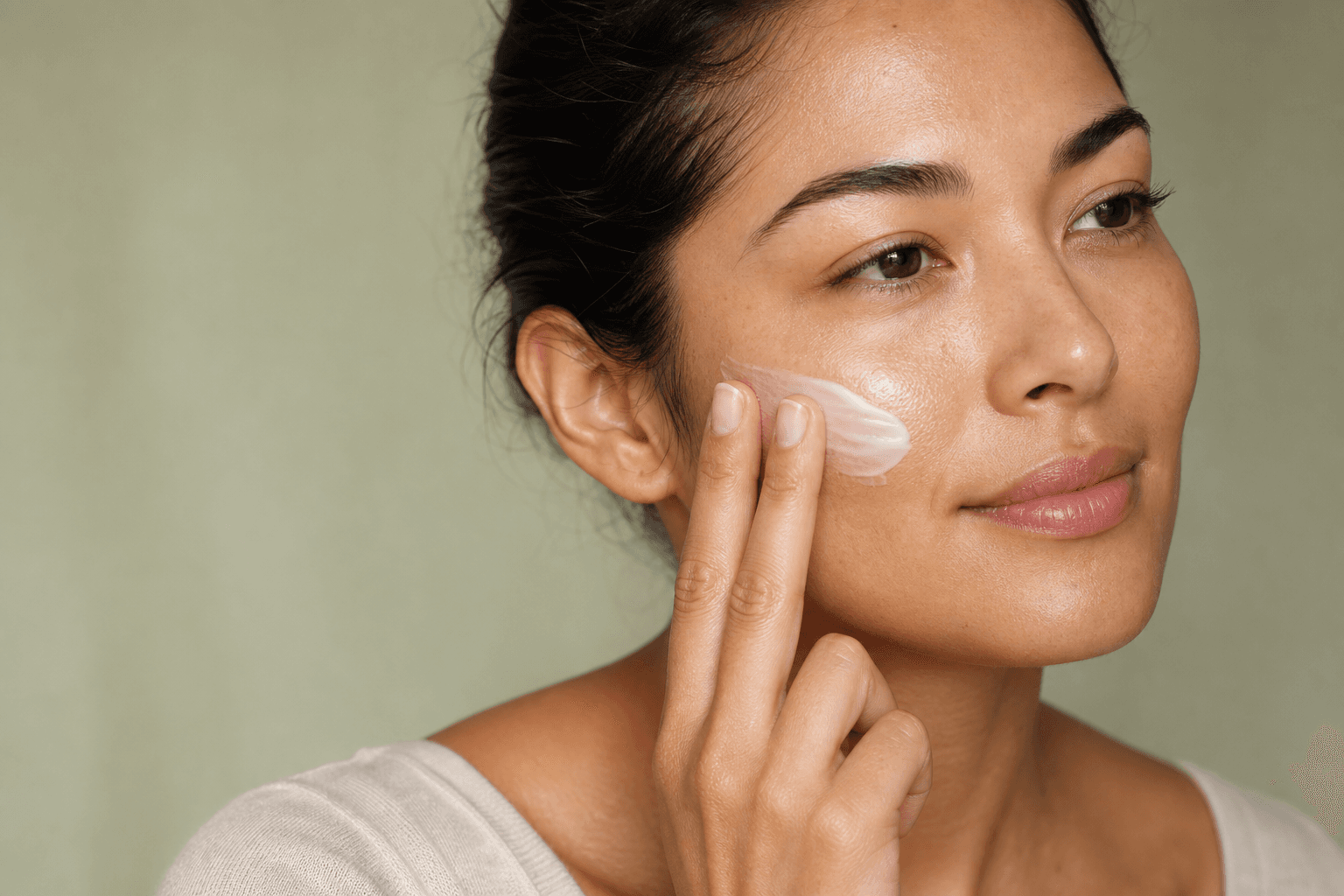
حاجز كريم
الدعم الذي يساعد على الاحتفاظ بالمياه
يمكن للمرطب ذو التركيبة الجيدة أن يقلل من فقدان الماء السطحي ويساعد البشرة على الشعور براحة أكبر.
ابدأ بالمؤسسة
حاجز الجلد هو أكثر من مجرد سطح
الطبقة الخارجية، والتي تسمى الطبقة القرنية، هي بنية منظمة تحافظ على الماء، وتحد من مرور المهيجات، وتدعم مرونة الجلد من خلال التغيير اليومي.
يحد من فقدان الماء
يعمل السطح الذي يعمل بشكل جيد على إبطاء التبخر حتى تشعر البشرة بمزيد من المرونة والراحة.
المخازن المؤقتة خارج الإجهاد
فهو خط الدفاع الأول ضد الطقس البارد، وانخفاض الرطوبة، والغسيل المتكرر، والمكونات المهيجة.
يدعم التسامح الروتيني
عندما يكون الحاجز متوازنًا، غالبًا ما يكون من الأسهل تحمل المنظفات والمرطبات والمنتجات النشطة.
يوازن الملمس
يمكن أن تبدو الطبقة العليا المرطبة جيدًا أكثر نعومة ونعومة وإضاءة.
العلم مبسط
الطوب والملاط والسيراميد
فكر في حاجز الجلد كجدار: الخلايا القرنية هي الطوب، في حين يشكل السيراميد والكوليسترول والأحماض الدهنية الملاط بينهما. عندما يتعطل هذا التنظيم الدهني، قد يرتفع فقدان الماء عبر البشرة (TEWL) وقد يشعر الجلد بأنه أكثر جفافًا ومشدودًا وأكثر تفاعلاً.
الخلايا القرنية تبني الهيكل
تشكل الخلايا المسطحة في الطبقة العليا الجسم الرئيسي لمرونتها الجسدية.
تنظم الدهون الفجوات
يدعم السيراميد والكوليسترول والأحماض الدهنية المصفوفة ذات الطبقات بين الخلايا.
مرطب يقلل من الخسارة
توازن المرطبات والمطريات والمواد المسدودة يجذب الماء ويخفف السطح ويحد من التبخر.
ابحث عن الأجزاء الثلاثة في الكريم العازل
الدهون 01
سيراميد
فئة من الدهون الموجودة بشكل طبيعي في الجلد وجزء مهم من بنية الحاجز بين الخلايا.
الدهون 02
الكولسترول
يعمل جنبًا إلى جنب مع السيراميد والأحماض الدهنية لدعم المرونة والتنظيم في طبقات الدهون.
الدهون 03
الأحماض الدهنية
المساهمة في النعومة والراحة السطحية كجزء مكمل للصيغة الكاملة.
لا تطارد "نسبة سحرية" واحدة. فالتركيبة الكاملة، والملمس، ومحتوى العطر، ومدى استمرارية استخدامه، أكثر أهمية من مجرد ادعاء بالسيراميد على الملصق الأمامي.
فحص الحاجز
ربما تطلب بشرتك فترة توقف
علامة واحدة لا تعتبر تشخيصًا، لكن العديد من التغييرات الجديدة معًا يمكن أن تكون إشارة مفيدة لتبسيط روتينك.
متى يجب عليك رؤية طبيب الأمراض الجلدية؟
لا تعتمدي فقط على مستحضرات التجميل لعلاج الحكة الشديدة أو التشقق أو النزف أو الاحمرار المنتشر أو التورم حول العينين أو التهيج المستمر.
ضيق بعد التطهير
تشعر بالحاجة إلى وضع الكريم مباشرة بعد الغسيل.
منتجات مألوفة لاذعة
الأمصال أو الكريمات التي كنت تتحملينها سابقًا تشعر فجأة بعدم الراحة.
يتساقط والملمس الخام
تظهر بقع جافة حول الأنف أو الخدين أو الفم.
الاحمرار والدفء
ويصبح أكثر وضوحًا بعد الأنشطة أو الطقس القاسي أو الإفراط في التنظيف.
الزيتية ولكن المجففة
يبدو السطح لامعًا بينما يظل الجلد مشدودًا وغير مريح.
مكياج غير مكتمل
تتجمع منتجات البشرة حول المناطق الجافة ولم تعد متساوية.
خطة تعافي بسيطة
روتين حاجز من أربع خطوات
قد تحتاج بشرتك إلى القدرة على التنبؤ، وليس المزيد من المنتجات. استخدم بعض الأساسيات اللطيفة باستمرار بدلاً من إضافة شيء جديد.
تطهير بلطف
استخدمي الماء الفاتر ومنظفًا خاليًا من العطور ولا يترك البشرة مشدودة. الماء وحده قد يكون كافيا في الصباح.
أضف الماء مرة أخرى
على بشرة رطبة قليلاً، ضعي طبقة ترطيب بسيطة مع الجلسرين أو البانثينول أو حمض الهيالورونيك.
ختم مع كريم سيراميد
ضعي طبقة رقيقة ومتساوية على الوجه والرقبة. أضف طبقة خفيفة ثانية إلى المناطق الجافة جداً ليلاً.
حماية مع SPF نهارا
استخدمي نطاقًا واسعًا SPF 30+ كل صباح واختري ملمسًا يمكنك تطبيقه بشكل مريح ومتسق.
خفض في الوقت الراهن
- الدعك الجسدي وفرش التنظيف
- قشور AHA/BHA عالية القوة
- الاستخدام المتكرر أو القوي للريتينويد
- المنتجات العطرية والزيوت العطرية
إبقاء في الروتين
- منظف لطيف وخالي من العطور
- المرطبات مثل الجلسرين أو البانثينول
- مرطب يحتوي على السيراميد
- واسع النطاق SPF 30+ كل صباح
بمجرد أن تشعر البشرة بالراحة مرة أخرى، قم بإعادة تقديم العناصر النشطة واحدًا تلو الآخر وبتردد أقل. توقف إذا عاد اللسع أو الاحمرار المستمر.
اقرأ الملصق جيدًا
اختاري تركيبة حاجزة لبشرتك
إن عبارة "إصلاح الحاجز" الموجودة على الملصق ليست كافية. يجب النظر في الملمس والمرطبات الداعمة والمهيجات المحتملة معًا.
البشرة الجافة والحساسة
قوام كريمي أو بلسم
قد تشعرك التركيبات الغنية بالسيراميد والكوليسترول والأحماض الدهنية بالإضافة إلى الجلسرين أو السكوالان أو زبدة الشيا بمزيد من الراحة.
البشرة الدهنية ولكن المجففة
غسول خفيف أو كريم جل
ابحثي عن تركيبات خفيفة الوزن وخالية من العطور تحتوي على السيراميد والجلسرين والبانثينول.
الجلد متعب من النشاطات
صيغة قصيرة وهادئة
قم بالتبسيط إلى منتج بدون مقشرات أو ريتينويدات أو عطور، واختصر الروتين إلى عدد قليل من الأساسيات.
المكونات الداعمة المفيدة
الجلسرين
مرطب كلاسيكي يساعد على سحب الماء إلى الطبقة العليا.
بانثينول
مشتق من فيتامين ب5 الذي يدعم الترطيب ويمنح البشرة ملمسًا هادئًا.
سكوالان
مطري يمكن أن يضيف النعومة دون لمسة نهائية ثقيلة جدًا.
الفازلين
يحد بشدة من فقدان الماء في المناطق الجافة جدًا ويمكن تطبيقه بطبقة رقيقة ومستهدفة.
توقعات واقعية
الهدف هو الراحة المستمرة، وليس الإصلاح بين عشية وضحاها
التطبيقات الأولى
قد يبدأ السطح في الشعور بالنعومة وأقل إحكامًا.
1-2 أسابيع
مع روتين لطيف ومتسق، قد يبدأ توازن الترطيب والتقشير المرئي في التحسن.
الرعاية المستمرة
للحصول على شعور أكثر مرونة، استخدمي المرطب وواقي الشمس باستمرار، وليس فقط عند ظهور الحساسية.
من الجيد أن نعرف
إجابات سريعة حول السيراميد وحاجز الجلد
هل يمكنني استخدام كريم سيراميد كل يوم؟+
نعم. إذا كانت بشرتك تتحمل التركيبة، استخدميها صباحًا و/أو مساءً. قد تفضل البشرة الدهنية نسيجًا أخف.
هل يمكن استخدام السيراميد مع المكونات النشطة؟+
بشكل عام، نعم. السيراميد ليس مقشرًا ويمكن أن يكون خطوة الترطيب في الإجراءات الروتينية باستخدام الرتينوئيدات أو الأحماض أو فيتامين سي. قلل من تكرار النشاط في حالة حدوث تهيج.
هل السيراميد وحمض الهيالورونيك متماثلان؟+
لا، حمض الهيالورونيك هو مرطب يساعد على ربط الماء؛ يعتبر السيراميد جزءًا من التنظيم الدهني للطبقة العليا. يمكنهم أن يكملوا بعضهم البعض في صيغة واحدة.
هل اللسع يعني أن المنتج يعمل؟+
لا، الراحة هي النتيجة المتوقعة من كريم السيراميد. توقف إذا شعرت بحرقان أو حكة أو احمرار مستمر واستشر طبيب الأمراض الجلدية إذا لزم الأمر.
هل سيروم السيراميد كافي؟+
قد لا يكون المصل كافيًا للبشرة الجافة جدًا. قد يخلق الكريم الذي يحتوي على المطريات والمسدات طريقة أكثر توازناً للحد من فقدان الماء.
ما مدى سرعة تعافي الحاجز؟+
يختلف التوقيت حسب سبب التهيج وحالة الجلد والروتين. قد تتحسن الراحة خلال أيام، لكن الأعراض المستمرة أو الشديدة تحتاج إلى تقييم متخصص.
هذا الدليل مخصص للمعلومات العامة وليس للتشخيص أو العلاج الطبي. استشر طبيب الأمراض الجلدية في حالة الاحمرار الشديد أو المستمر أو الحكة أو التشقق أو التهيج.