
Drawing moisture in is only half the story
Hyaluronic acid is a powerful humectant that helps bind water at the skin's surface. Choose the right formula, apply it to damp skin, and follow with moisturizer for a plumper, more comfortable-looking complexion.
- Apply to
- Damp skin
- Use
- AM + PM
- Suitable for
- All skin types
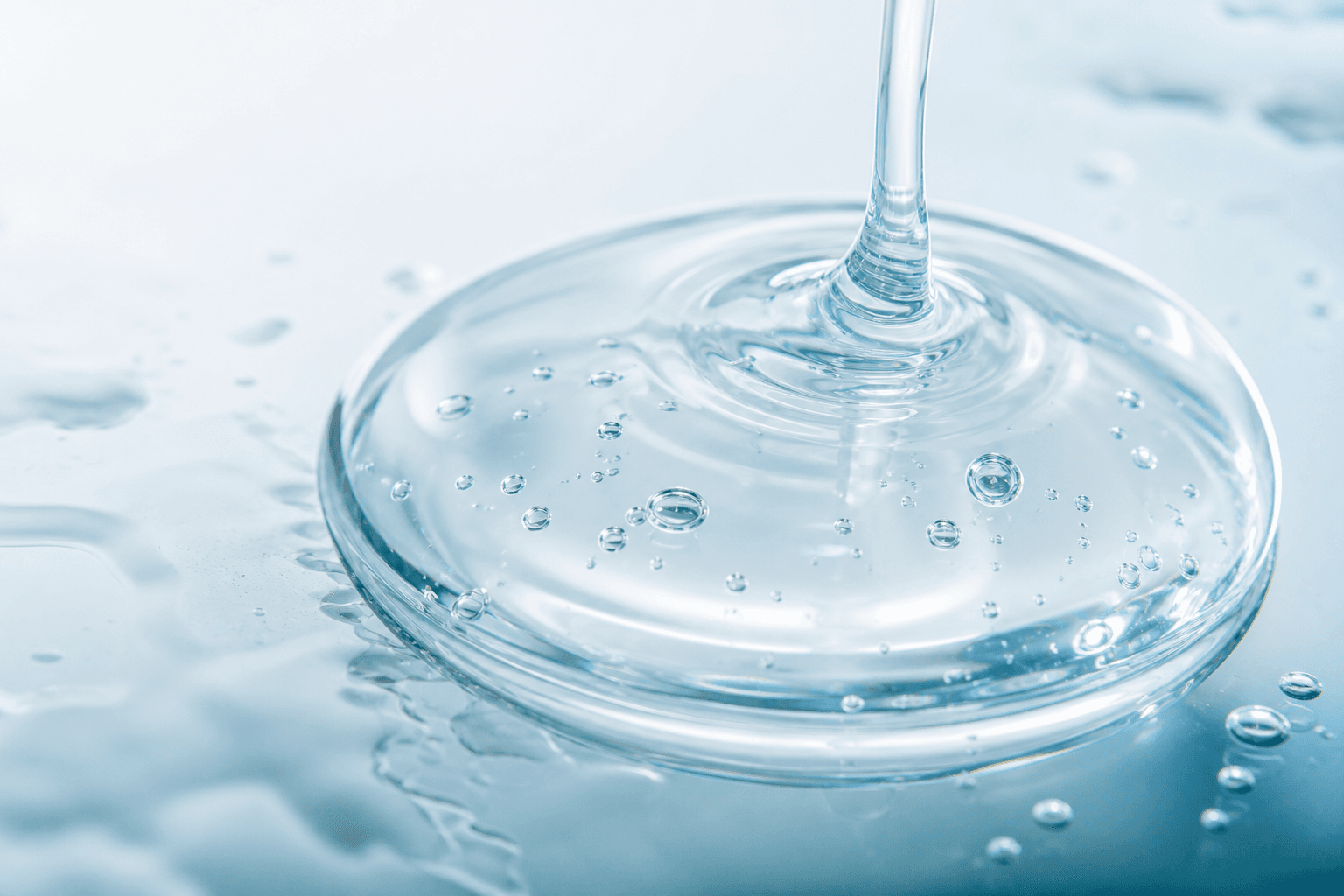
A moisture magnet
Binds water and supports a plumper, more flexible surface feel.
WHY IT'S LOVED
Smart, gentle support for dehydrated skin
A lack of oil and a lack of water are not the same. Hyaluronic acid is especially helpful for the look of tightness, dullness, and fine dehydration lines.
Immediate hydration feel
Helps hold water at the surface so skin can feel less tight after cleansing.
Plumper appearance
Supports softer-looking dehydration lines and a more supple-looking surface.
Barrier comfort
Layered under moisturizer, it strengthens the comfort of a routine designed to limit water loss.
Easy to layer
Fits comfortably alongside niacinamide, ceramides, vitamin C, and many other actives.
THE SCIENCE OF HYDRATION
How does hyaluronic acid work?
Hyaluronic acid is a humectant: it binds surrounding water molecules and helps create a hydrated environment in the skin's upper layers. It does not create an oil-based seal on its own, so the most balanced routine follows it with moisturizer.
It binds water
The serum meets water on damp skin and supports surface hydration.
It supports suppleness
A well-hydrated upper layer can look smoother and plumper.
Cream seals it in
Emollient and occlusive ingredients help reduce water loss.
What does molecular weight mean?
You may see ‘multi-molecular’ or several sodium hyaluronate derivatives on a label. That can be useful information, but the complete formula matters more than one molecular claim.
01
High molecular weight
Focuses on a hydrated, smoothing film at the skin's surface.
02
Low molecular weight
Uses smaller structures; feel and tolerance depend on the derivative and complete formula.
03
Multi-molecular approach
Combines different sizes to target a layered hydration feel.
Look for names such as hyaluronic acid, sodium hyaluronate, hydrolyzed hyaluronic acid, or sodium acetylated hyaluronate. Choose a balanced, fragrance-free formula you tolerate well instead of chasing the highest percentage.
HOW TO APPLY
Lock hydration in with four simple steps
The most common mistake is applying serum to completely dry skin and leaving it on its own. Move from thinner to richer textures without waiting too long between layers.
Cleanse gently
Use a cleanser that does not leave skin feeling stripped.
Leave skin slightly damp
Do not dry completely; skin should be damp, not dripping wet.
Apply 2–3 drops
Press serum over the face and neck without aggressive rubbing.
Seal with cream and SPF
Follow promptly with moisturizer, plus SPF 30+ in the morning.
Does skin feel tight?
Applying to dry skin, using too much product, or skipping cream can leave skin feeling sticky or tight.
A more balanced method
Use a small amount on slightly damp skin and follow with a suitable moisturizer within 30–60 seconds.
CHOOSE FOR YOUR SKIN
One ingredient, different needs
Hyaluronic acid can suit every skin type; the difference comes from serum texture and the moisturizer layered over it.
Dry skin
Serum + richer ceramide cream
Milky or creamy textures can improve all-day comfort.
Oily but dehydrated skin
Light serum + gel cream
Choose weightless, fragrance-free, non-comedogenic options.
Sensitive skin
Short ingredient list + patch test
Avoid fragrance, essential oils, and too many strong actives in one routine.
LAYERING GUIDE
Plays well with most actives
Niacinamide
Combine hydration and barrier support in one routine.
Ceramides
Help hold onto the water attracted by your serum.
Vitamin C
Add comfort to an antioxidant-focused morning routine.
Retinoids / acids
Use for hydration support afterward; reduce active frequency if sensitivity develops.
A small climate adjustment
Dry air
Apply to damp skin and seal immediately with a richer cream.
Humid air
A light serum and gel cream may be enough for many skin types.
Air conditioning
If tightness develops, strengthen your moisturizer rather than adding more serum.
GOOD TO KNOW
Quick answers about hyaluronic acid
Can I use it every day?+
Yes. A well-tolerated formula can be used morning and/or evening. Reduce the amount if it feels sticky.
Can it dry out skin?+
Its purpose is hydration support. In very dry air, applying it to completely dry skin without following with cream may increase a feeling of tightness.
Are hyaluronic acid and sodium hyaluronate the same?+
Sodium hyaluronate is the salt form of hyaluronic acid and is common in cosmetic formulas. Both are used for humectant benefits.
Should I apply it to wet skin?+
Skin should be slightly damp, not dripping. Follow with moisturizer.
Can I use it with retinol and acids?+
Generally, yes. Hyaluronic acid is not an exfoliant and can support hydration after actives. Reduce active frequency if irritation occurs.
Is the highest percentage best?+
No. High levels can feel sticky. Formula quality, texture, tolerance, and consistency matter more than percentage alone.
Complete your hydration routine
Selected for hydration layering, barrier comfort, and daily protection.


This guide is for general information and is not medical diagnosis or treatment. Consult a dermatologist for persistent dryness, itching, or sensitivity.