
Does your skin need water, oil, or a thoughtful balance of both?
The right moisturizer does more than soften: it attracts water, smooths the surface, and limits moisture loss. Consider your skin type, season, and active routine to find a texture that delivers real comfort.
- Apply to
- Slightly damp skin
- Use
- Morning + evening
- Final step
- SPF by day
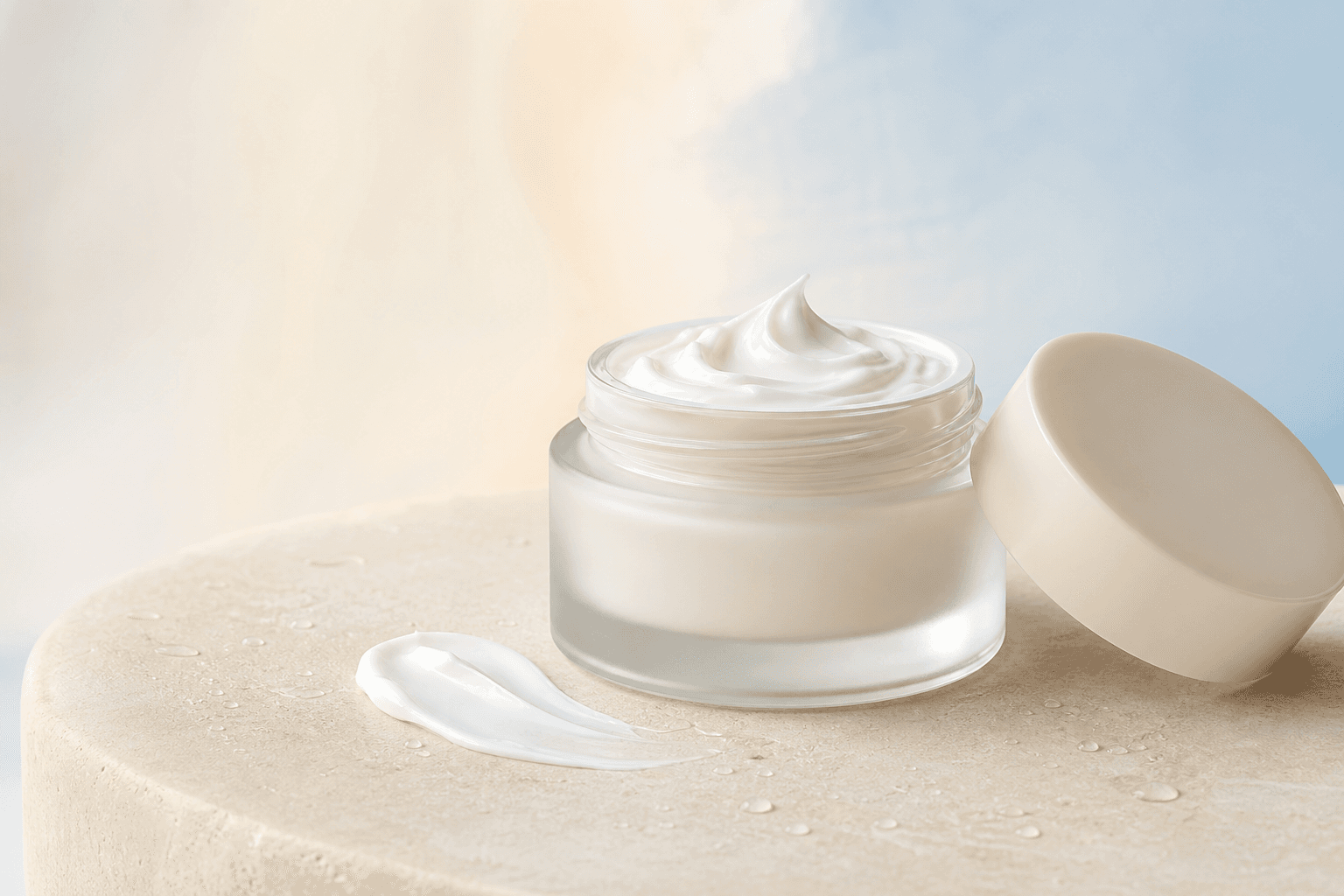
MOISTURE BALANCE
Helping keep H₂O in skin
A well-balanced formula binds water, softens the surface, and slows evaporation.
THREE JOBS OF A MOISTURIZER
Attracting water is only one part
A balanced moisturizer usually brings three different ingredient groups together. Each has a distinct role, and performance comes from the complete formula.
Humectant
Binds water
Ingredients such as glycerin, hyaluronic acid, and panthenol support water content in the skin's upper layer.
Emollient
Softens the surface
Squalane, fatty acids, and dimethicone help dry areas feel smoother and more flexible.
Occlusive
Limits moisture loss
Petrolatum, mineral oil, and balm structures create a surface film that slows water evaporation.
Where does barrier support fit?
Ceramides, cholesterol, and fatty acids complement the lipid organization of the skin's upper layer. They can improve formula comfort when skin feels dry, tight, or sensitized by active products.
THE TEXTURE LADDER
Find the right level from light to rich
Richer is not always better. How skin feels through the day, your climate, and the rest of your routine determine the most suitable level.
Lightest
Gel
Water-based, fast-spreading, cooling textures that can suit oily or dehydrated skin.
Light–medium
Lotion
More cushioning than gel but more fluid than cream; easy to layer for normal and combination skin.
Medium–rich
Cream
Contains more emollients and adds comfort for dry, seasonally sensitized, or active-treated skin.
Richest
Balm / ointment
A highly occlusive structure for limiting water loss on very dry areas; it is not always needed over the entire face.
The same person may use gel cream in summer and a richer cream in winter. Skin type is not a fixed label; texture can change with routine, weather, and skin condition.
CHOOSE FOR YOUR SKIN
The need may be shared; the formula can differ
Look beyond dry or oily labels. Tightness after cleansing, shine through the day, and how a product feels on skin are often more useful guides.
Oily / combination skin
Gel or light lotion
Formulas with glycerin, hyaluronic acid, or panthenol in a non-comedogenic base without a heavy oily finish.
Normal / seasonally dry skin
Lotion or balanced cream
Flexible textures combining humectants and emollients that also sit comfortably under daytime SPF.
Dry / very dry skin
Rich cream or targeted balm
Emollient and occlusive support from ceramides, squalane, shea butter, or petrolatum.
Sensitive / reactive skin
Short, fragrance-free formula
A cream without essential oils, obvious fragrance, or unnecessary actives, tested on a small area first.
HOW TO APPLY
Lock moisture in with four steps
Applying moisturizer while skin is still slightly damp after cleansing or serum may feel more comfortable than waiting until it is completely dry.
Cleanse gently
Use lukewarm water and a cleanser that does not leave skin feeling tight.
Apply serum
If you use one, spread a thin layer of hydration or targeted serum.
Seal with cream
Smooth a pea-sized amount evenly over face and neck; add a second thin layer to dry areas.
Add SPF by day
Finish the morning routine with broad-spectrum SPF 30+.
How much product?
A pea-to-almond-sized amount is enough for the face with most formulas; use additional product for the neck. If skin stays tight, consider a richer texture before simply adding more.
Wet or damp?
Skin should be slightly damp, not dripping. Smooth the product gently over skin instead of aggressive rubbing.
READ THE INGREDIENT LIST
Which ingredient performs each job?
Instead of searching for one hero ingredient, look at how the moisturizer divides its different jobs.
Water binders
Glycerin · Hyaluronic acid · Panthenol · Urea
Focus on dehydration and post-cleansing tightness.
Surface softeners
Squalane · Shea butter · Dimethicone · Fatty acids
Help dry, rough skin feel more flexible.
Moisture sealers
Petrolatum · Mineral oil · Balm structures
Limit evaporation, particularly on very dry areas.
Barrier lipids
Ceramides · Cholesterol · Fatty acids
Provide a complementary system that supports lipid organization in the upper layer.
‘Unscented’ and ‘fragrance-free’ are not the same
For sensitive skin, look for ‘fragrance-free.’ Products labeled ‘unscented’ may still contain fragrance ingredients used to mask their natural scent.
TEXTURE TROUBLESHOOTING
Why does your moisturizer not feel right?
It pills
You may be using too much or layering several film-forming formulas. Reduce the amount.
It feels heavy or closed
Switch to a lighter gel or lotion and reserve balm for targeted dry areas.
Skin still feels tight
Move from a humectant-only gel to a cream with stronger emollient and occlusive support.
It stings
Fragrance, active acids, or barrier sensitivity may be involved. Stop using it and consult a dermatologist if symptoms persist.
A small seasonal adjustment
Hot, humid weather
A smaller amount of gel cream or light lotion may be enough.
Cold, dry weather
A cream with more emollient and occlusive support can feel more comfortable against water loss.
Air-conditioned spaces
If tightness develops, strengthen the cream texture rather than simply adding more serum.
GOOD TO KNOW
Quick answers about moisturizers
Does oily skin need moisturizer?+
Oil and water balance are not the same. Oily skin can still be dehydrated and may prefer a light, non-comedogenic gel or lotion.
How often should I moisturize?+
Morning and evening is enough for many people. Add a targeted second layer to very dry areas during the day or at night.
Serum or moisturizer first?+
Serum is generally applied after cleansing and moisturizer follows it. Sunscreen is the last skincare step during the day.
Is gel cream enough for dry skin?+
It can be too light for some dry skin. If tightness persists, choose a cream with stronger emollient and occlusive support instead of adding more serum.
Can moisturizer cause breakouts?+
Not every formula suits every skin. Choose a light, non-comedogenic product for oily or acne-prone skin and introduce it gradually.
Does stinging mean it works?+
No. Moisturizer should support comfort. Stop using it if you develop significant burning, itching, or persistent redness.
Find a moisturizer for your skin
Selected for needs ranging from lightweight daily hydration to richer barrier support.
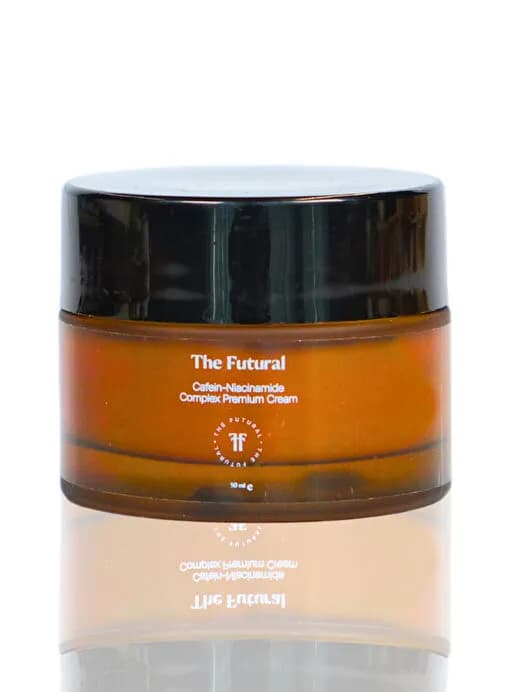
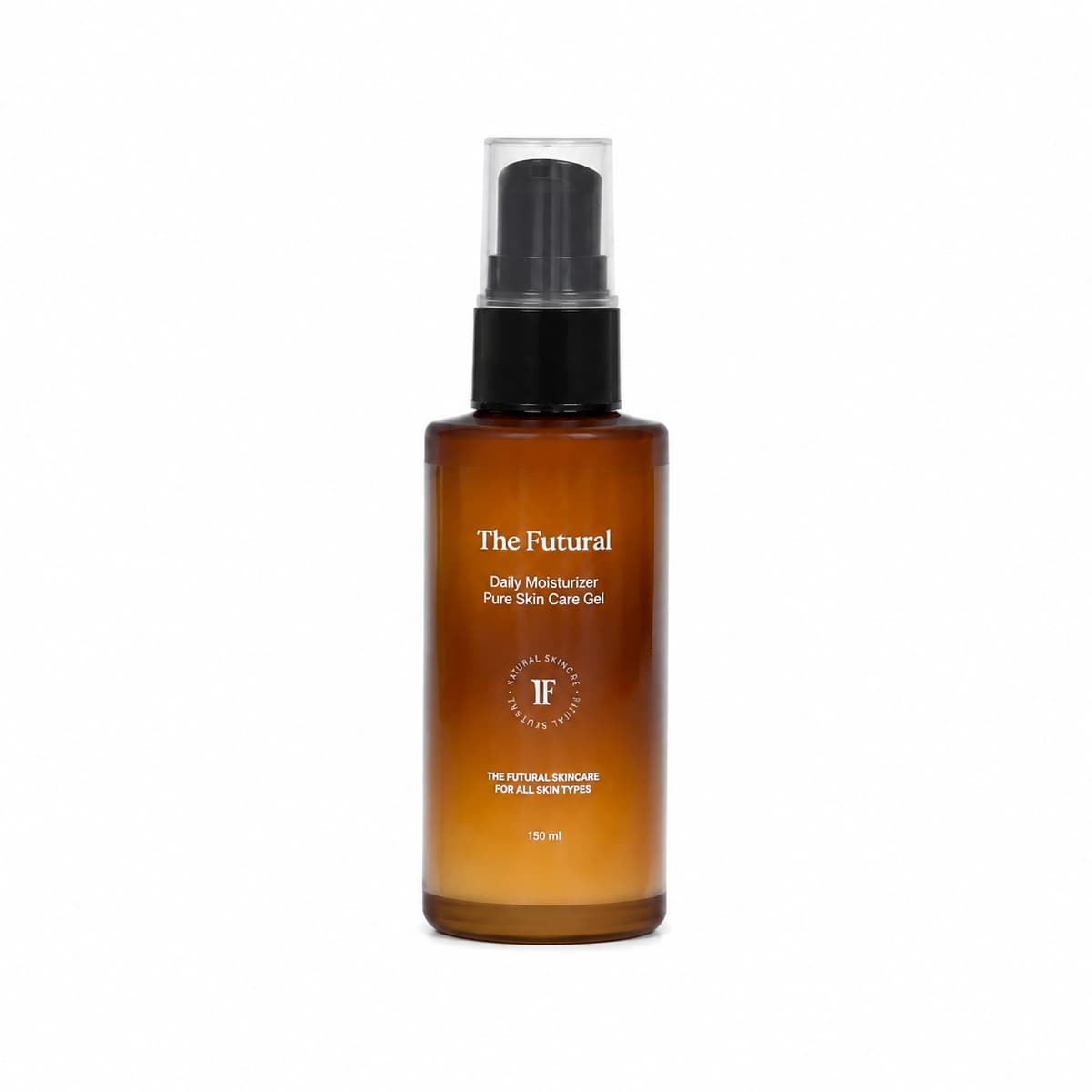
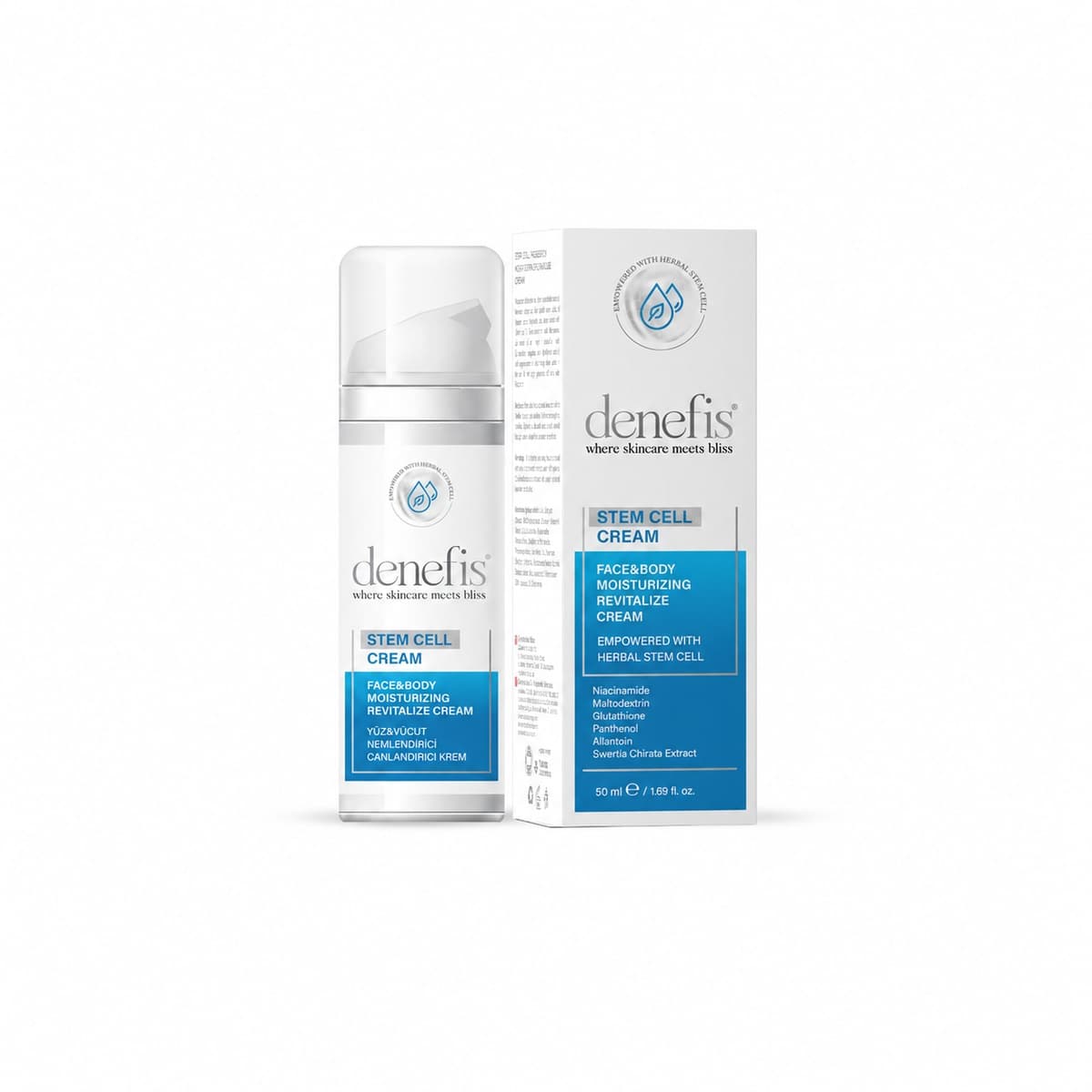
This guide is for general information and is not medical diagnosis or treatment. Consult a dermatologist for painful dryness, cracking, bleeding, severe itching, or persistent irritation.