
Skin should feel clean and comfortable—not tight
A good cleanser removes dirt, sweat, excess sebum, makeup, and sunscreen without over-stripping. Choose the right texture for your skin type, the products you wore, and how much cleansing the day actually requires.
- Water
- Lukewarm
- Tool
- Fingertips
- Frequency
- Up to twice daily
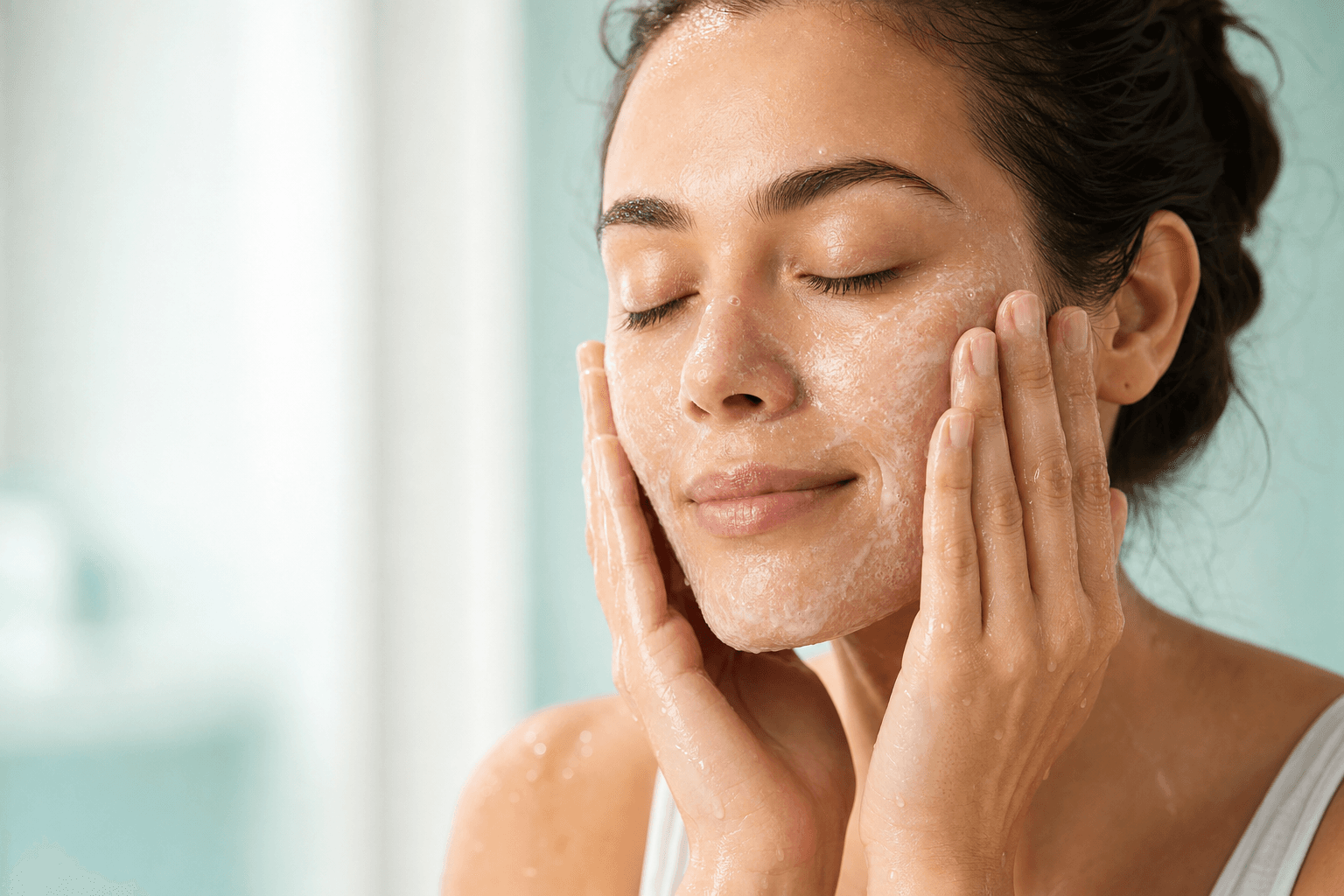
GENTLE CLEANSING
A clean rinse, not squeaky skin
THE RIGHT CLEANSING LIMIT
The goal is not to remove everything from skin
Cleanser is a short-contact product. Its main job is to remove the day's buildup without unnecessary friction or dryness.
Removes daily buildup
Makes dirt, sweat, environmental debris, and excess sebum easier to rinse away with water.
Dissolves makeup and SPF
Loosens oil-soluble residue through a suitable surfactant system or first cleansing step.
Prepares for the next steps
A clean surface helps serum and moisturizer spread evenly.
Respects barrier comfort
A gentle formula and correct technique help reduce post-wash tightness and irritation risk.
A squeaky feel is not a measure of success
Foam volume is not a reliable indicator of cleansing power. A highly foaming or stripping product may simply be a poor match for your skin.
TEXTURE GUIDE
Four cleanser types, four different experiences
Choose by more than skin type—consider how much makeup and sunscreen you need to remove that day.
Quick first step
Micellar water
Can lift light makeup and surface residue with a cotton pad. Minimize friction on sensitive skin and rinse if product directions recommend it.
Makeup + resistant SPF
Oil / balm
Loosens oil-soluble residue. Formulas that emulsify with water and rinse clean work as a first cleansing step.
Daily cleanse
Gel / light foam
Can feel comfortable on oily and combination skin; focus on post-rinse comfort rather than maximum foam.
Dry + sensitive skin
Cream / milk
Lower-foaming, cushioning formulas can cleanse daily without leaving skin feeling tight.
Foam is a texture preference. A gel can foam and still be gentle, while a non-foaming cleanser can still be a poor match. Assess the complete formula and how skin feels after rinsing.
DOUBLE CLEANSING
Do you need two products every night?
No. Double cleansing is especially useful on days with water-resistant sunscreen or heavier makeup. If one gentle cleanser removes everything comfortably, a second step may not be needed.
When does double cleansing make sense?
- Water-resistant or heavy sunscreen
- Foundation and long-wear makeup
- Visible residue after one cleanse
- A film that remains after oil or balm
How do the two steps work?
Step one
Apply oil or balm to dry skin, add water to emulsify, and rinse completely.
Step two
Use a small amount of gentle water-based cleanser with lukewarm water and rinse.
Do not add it without a reason
For a morning routine, a makeup-free day, or skin that cleanses comfortably with one product, double cleansing may add dryness and sensitivity.
CHOOSE FOR YOUR SKIN
Read the post-wash feel before the skin-type label
The right cleanser should leave skin balanced and comfortable, not make you feel an urgent need to apply cream within minutes.
Oily / acne-prone skin
Gentle gel or light foam
Alcohol-free, non-abrasive, non-comedogenic formula. Aim for balanced cleansing instead of trying to remove every trace of oil.
Dry / dehydrated skin
Cream, milk, or low-foam gel
A formula with glycerin, panthenol, or cushioning support that does not leave post-rinse tightness.
Sensitive / reactive skin
Short, fragrance-free formula
No essential oils, scrub particles, or strong acids; easy to apply gently with fingertips.
Combination skin
Balanced gel or lotion
Cleans the T-zone without drying the cheeks; use different amounts across areas if needed.
THE FORMULA SCIENCE
Surfactants and pH: look beyond one number
Cleansers use surfactants to move oil and dirt into water. Mildness does not depend only on a pH claim—the surfactant system, concentration, supporting ingredients, and contact time all matter.
Surfactant system
Larger, balanced micelle structures can help limit unnecessary interaction with skin components.
Contact time
Cleanser does not need to sit like a mask; a short, effective massage is enough for most daily cleansing.
Rinsing
Rinse residue completely with lukewarm water and pat dry without rubbing.
‘pH 5.5’ alone does not guarantee a gentle formula. Real performance depends on the complete formula and how it is used.
THE RIGHT TECHNIQUE
Gentle, effective cleansing in four steps
More pressure, hotter water, or longer massage does not mean cleaner skin. Your hands, lukewarm water, and a short application are enough.
Wash your hands
Remove dirt and residue from your hands before applying cleanser.
Use lukewarm water
Very hot water can increase feelings of dryness and redness.
Massage with fingertips
Spread gently for about 30–60 seconds, including around the nose and hairline.
Rinse and moisturize
Pat with a soft towel and move to serum or moisturizer while skin is slightly damp.
Morning
Lukewarm water alone may be enough for dry or sensitive skin. If you feel oily, use a small amount of gentle cleanser.
Evening
Remove sunscreen, makeup, and daily buildup. Double cleanse heavy residue; use one cleanser on simpler days.
After sweating
Cleanse gently as soon as practical after heavy sweating without turning the day into a harsh three-wash routine.
CLEANSING CHECK
What is your skin telling you?
Tight after washing
Move to a lower-foaming cream or milk texture and reduce water temperature and cleansing time.
Stinging and redness
Fragrance, acids, or a harsh surfactant system may be involved. Stop the product and simplify the routine.
Slippery residue
Emulsify oil or balm thoroughly with water and add a gentle second step only if needed.
Makeup remains
Instead of rubbing longer, add a first cleanser designed for makeup or resistant SPF.
Use less of these
- Physical scrub particles
- Cleansing brushes and rough cloths
- Very hot water
- Long, frequent washing
Keep these habits
- Lukewarm water
- Fingertips
- Patting with a soft towel
- Moisturizer after cleansing
GOOD TO KNOW
Quick answers about cleansers
How often should I wash my face?+
Morning, evening, and after heavy sweating is a general limit. Dry or sensitive skin may feel comfortable with water alone in the morning.
Is double cleansing necessary every day?+
No. It is useful with water-resistant SPF or heavy makeup, but not required if one cleanser removes residue comfortably.
Does a non-foaming cleanser clean skin?+
Yes. Foam volume is not the only measure of performance. The surfactant system and correct use matter more.
Should micellar water be rinsed?+
Follow product directions. Rinsing can feel more comfortable on sensitive skin by reducing residual surfactants.
Can I use a salicylic acid cleanser daily?+
It depends on tolerance. Reduce frequency if dryness or stinging develops and consider other exfoliants in the same routine.
Is burning after washing normal?+
No. Significant burning or persistent redness can indicate irritation. Stop and consult a dermatologist if symptoms continue.
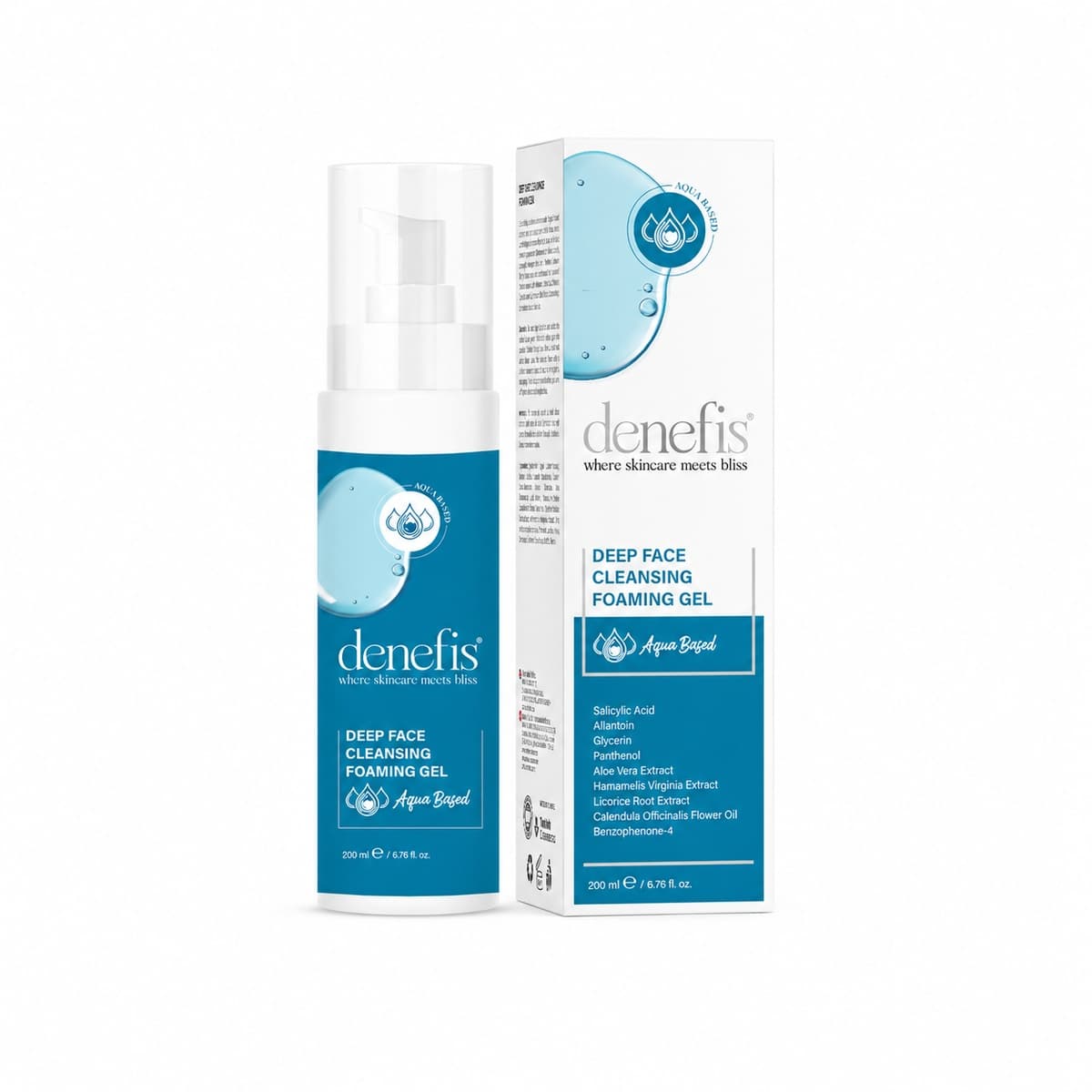
Find a cleanser for your routine
Selected for daily cleansing, makeup and SPF removal, and sensitive-skin comfort.
This guide is for general information and is not medical diagnosis or treatment. Consult a dermatologist for persistent burning, severe redness, cracking, or acne concerns.